Weighbridges and truck scales from economy analog setups to premium digital bridges — sized 9–24 m to the vehicles you actually weigh, supplied, installed, calibrated and commissioned across Kenya and East Africa, running KiloSahihi software.
How installation, calibration and repair work →
“Digital” does not mean “not mechanical” — analog bridges are fully electronic too. Three generations, told straight:
Yesterday
Mechanical
Levers and moving parts, no electronics at all. Long phased out — if your bridge still has knife edges under the deck, any upgrade means new cells and an indicator, not repairs.
The worldwide mainstream
Analog (electronic)
Fully electronic: strain-gauge load cells under the deck, their signal converted to digital inside the indicator. This is what most new weighbridges are — including what Avery Weigh-Tronix and Mettler install today — and it verifies to OIML Class III.
Same accuracy, better diagnostics
Digital (electronic)
The same load-cell technology with the converter chip inside each cell instead of the indicator. It is a wiring difference, not an accuracy upgrade — it stamps to the same OIML Class III. What you gain: each cell reports its own health, corners correct in software, and long cable runs survive harsh sites better.
An honest rule of thumb: if a quote sells “digital” as an accuracy fix, walk away — both verify to the same class. We'll tell you which your site actually justifies.
Every installation includes KiloSahihi software, commissioning and training. Prices depend on site and capacity — request a quote on any product.
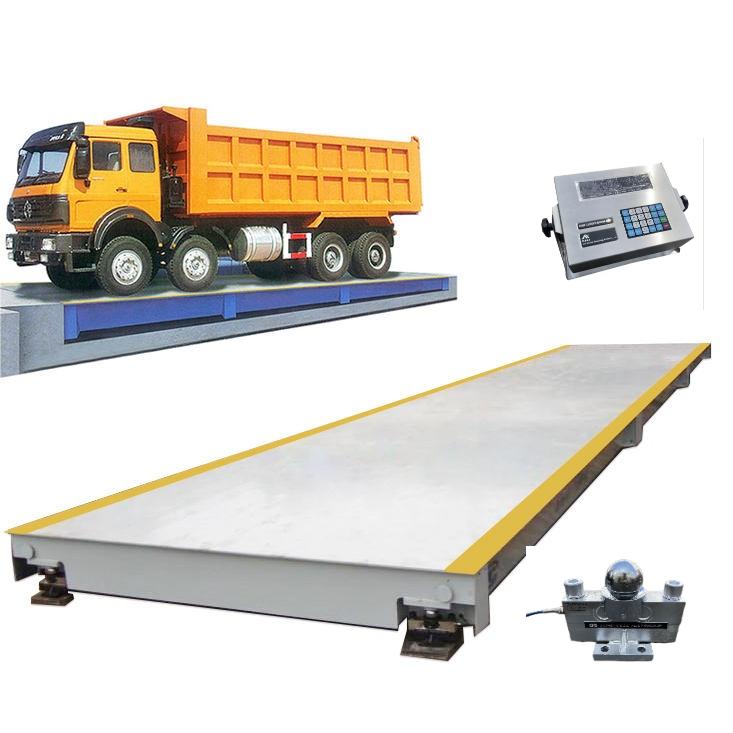
The value build, sized to the vehicles you actually weigh - don't pay for 18 m of steel you'll never park on.
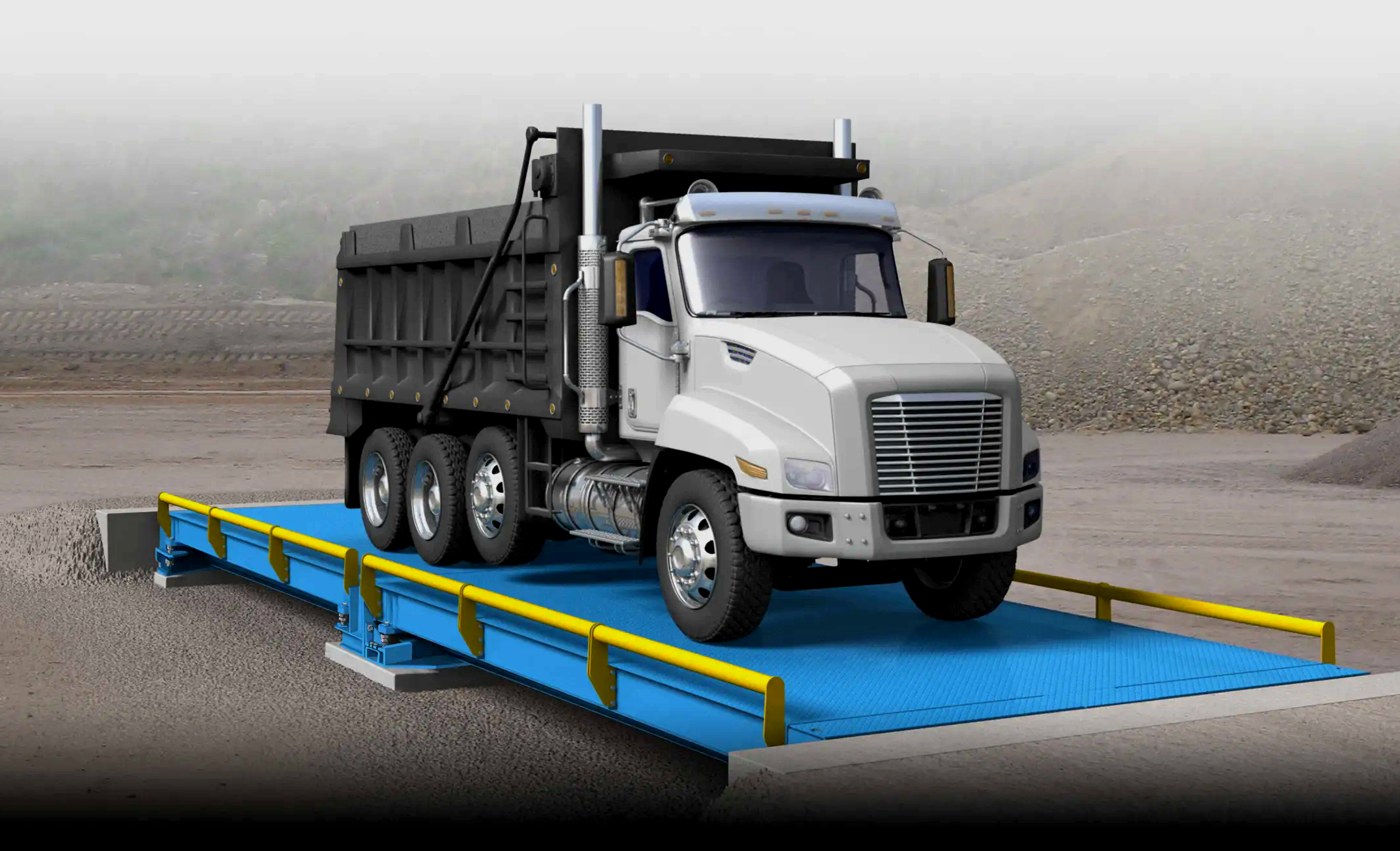
The premium build: AWTX BridgeMont deck with the ZM510 - the same indicator KeNHA installed across its national weighbridge stations.

The column compression cells on most weighbridges here - 10 to 50 t per cell, IP68, analog or digital.
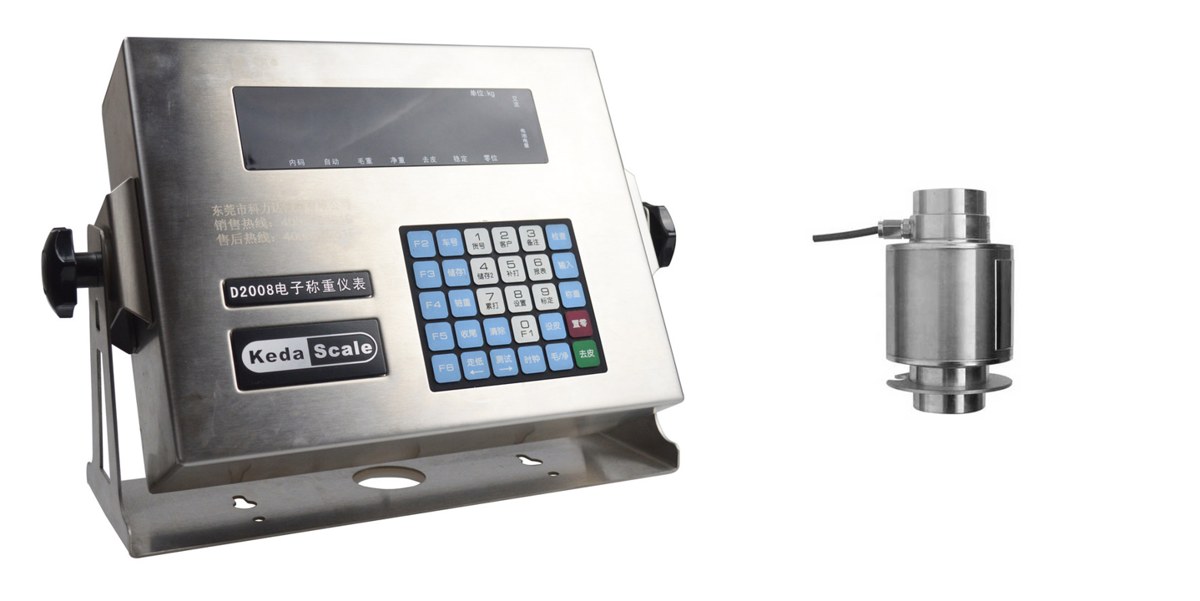
A true digital chain: the converter chip lives inside each cell, so every cell reports its own health over RS-485.
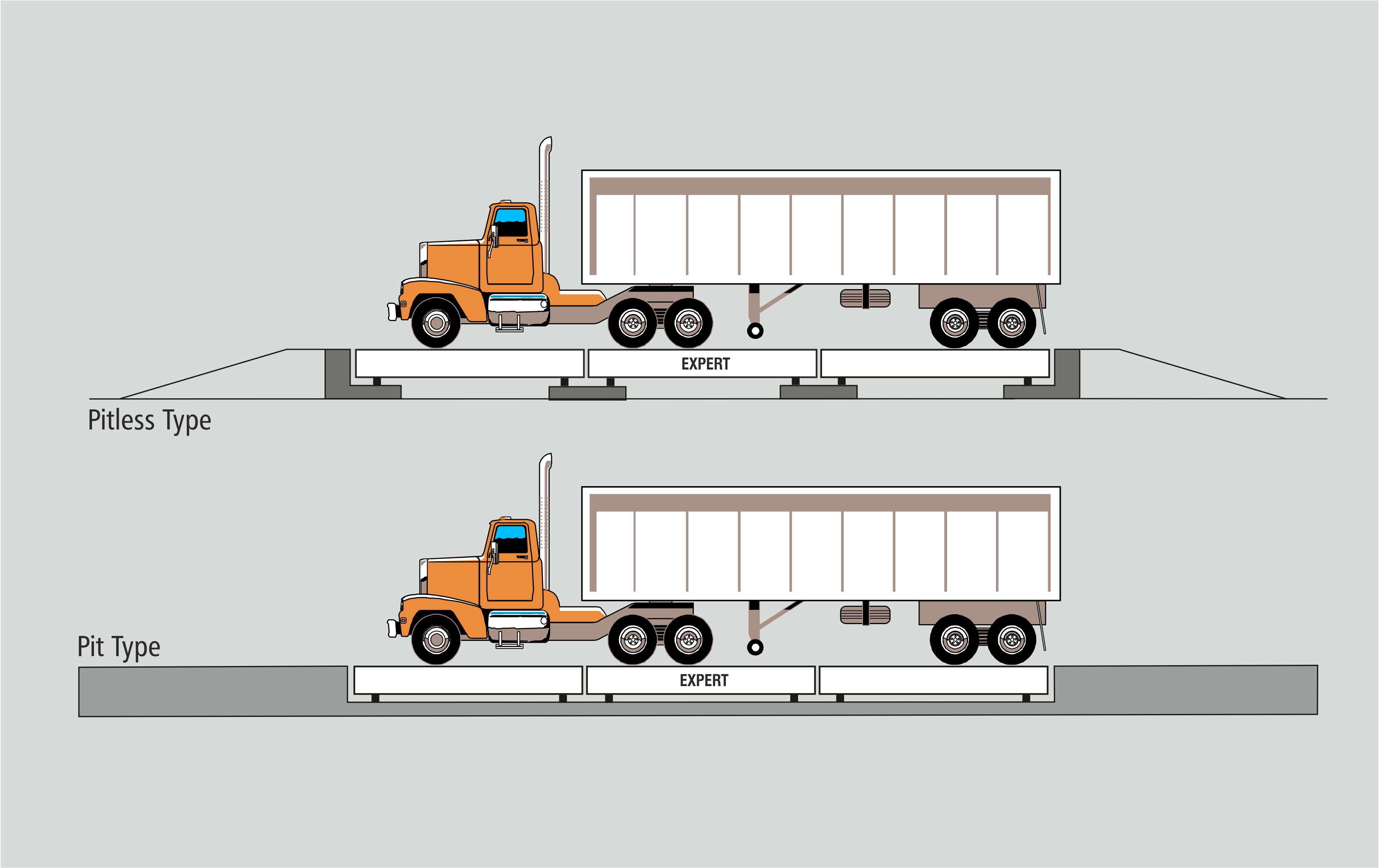
Two to four decks in line - every axle group weighed individually and summed to gross in one stop.